



Citation
Quand un nouveau brevet mentionne un brevet antérieur comme référence. Plus de citations = plus d’influence.
Biotechnology · 2025
Les 36 brevets qui ont le plus servi de référence aux nouvelles inventions du domaine.
Quand un nouveau brevet mentionne un brevet antérieur comme référence. Plus de citations = plus d’influence.
L’expert de l’office américain des brevets. Il cite ce qui est trop proche de la demande.
trop procheL’entreprise ou l’inventeur qui demande le brevet. Il cite ce qui l’a inspiré.
source d’inspirationLes inventions que l’office a le plus utilisées comme comparaison : les plus proches de ce qui est breveté aujourd’hui.
À la une
University of British Columbia 1997
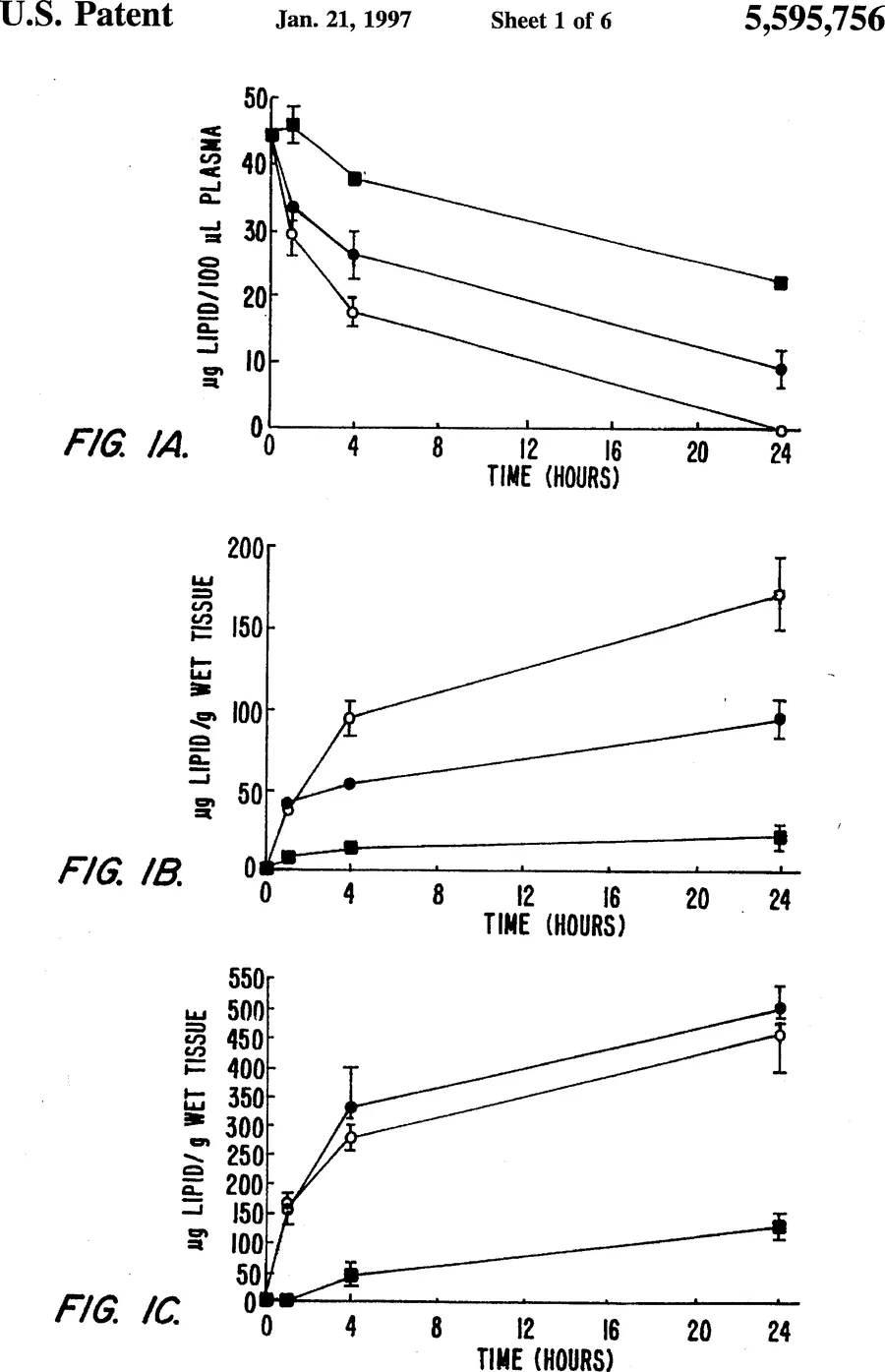
4 inventeurs: Marcel B. Bally, Nancy L. Boman et 2 autresLiposomal compositions encapsulating bioactive agents and having improved circulation longevity of the agents are disclosed. Such liposomes combine a low pH of the solution in which a bioactive agent is entrapped and a sugar-modified lipid or an amine-bearing lipid, the combination of which enhances the retention of the encapsulated bioactive agent and thereby promotes circulation longevity. The present invention also discloses methods of making and using such compositions.
18citations
Protein Design Labs Inc 2001
2 inventeurs: Cary L. Queen et 1 autres14citations
Chugai Pharmaceutical Co Ltd 2016
10 inventeurs: Tomoyuki Igawa et 9 autresClassement complet
Chaque nombre indique combien de fois le brevet a servi de référence à de nouveaux brevets délivrés aux États-Unis en 2025. Touchez-en un pour voir le dessin, ses inventeurs et ce qu’il fait.
University of British Columbia1997
18citations
En tête du classementDe quoi s’agit-il · original en anglais
Liposomal compositions encapsulating bioactive agents and having improved circulation longevity of the agents are disclosed. Such liposomes combine a low pH of the solution in which a bioactive agent is entrapped and a sugar-modified lipid or an amine-bearing lipid, the combination of which enhances the retention of the encapsulated bioactive agent and thereby promotes circulation longevity. The present invention also discloses methods of making and using such compositions.
Protein Design Labs Inc2001
18citations
En tête du classementDe quoi s’agit-il · original en anglais
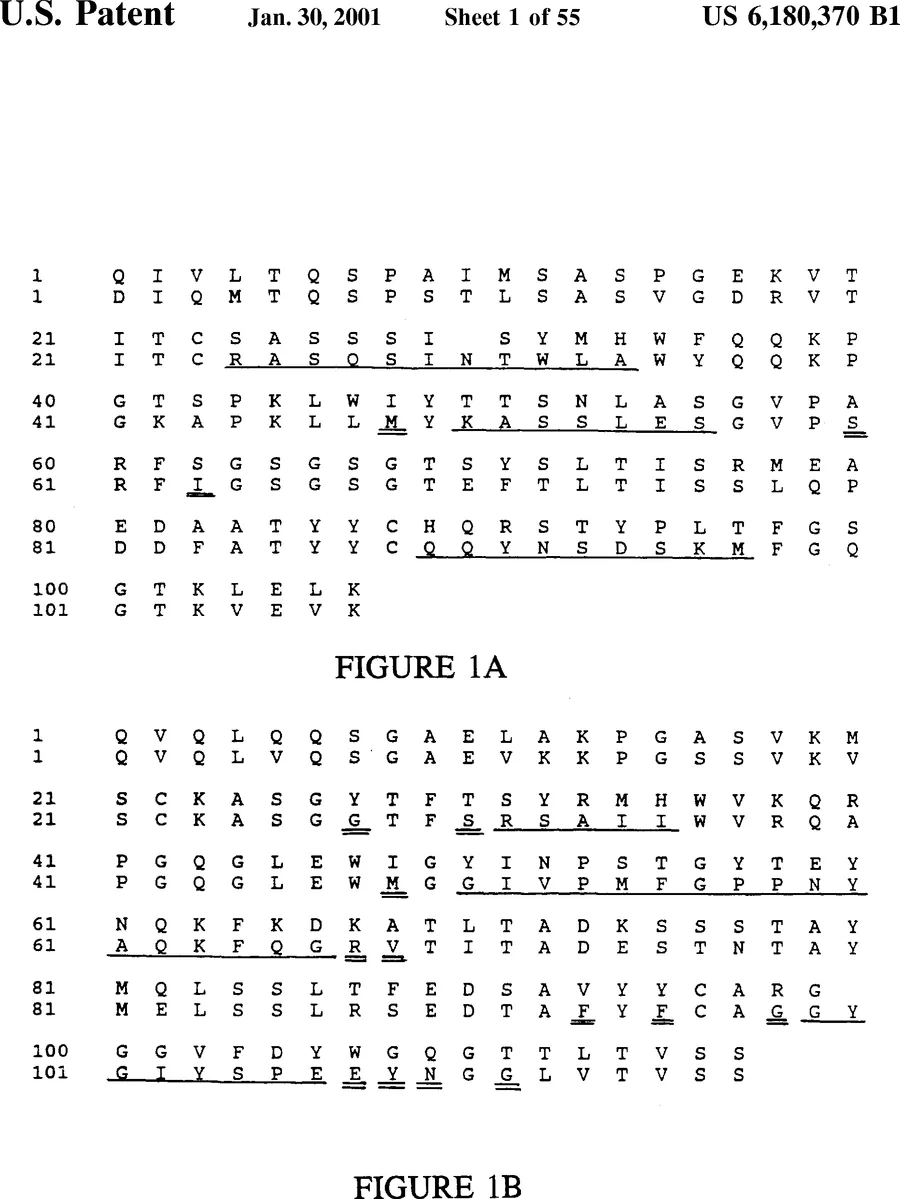
Novel methods for producing, and compositions of, humanized immunoglobulins having one or more complementarity determining regions (CDR's) and possible additional amino acids from a donor immunoglobulin and a framework region from an accepting human immunoglobulin are provided. Each humanized immunoglobulin chain will usually comprise, in addition to the CDR's, amino acids from the donor immunoglobulin framework that are, e.g., capable of interacting with the CDR's to effect binding affinity, such as one or more amino acids which are immediately adjacent to a CDR in the donor immunoglobulin or those within about about 3 Å as predicted by molecular modeling. The heavy and light chains may each be designed by using any one or all of various position criteria. When combined into an intact antibody, the humanized immunoglobulins of the present invention will be substantially non-immunogenic in humans and retain substantially the same affinity as the donor immunoglobulin to the antigen, such as a protein or other compound containing an epitope.
Chugai Pharmaceutical Co Ltd2016
14citations
78 % du 1er (18)De quoi s’agit-il · original en anglais
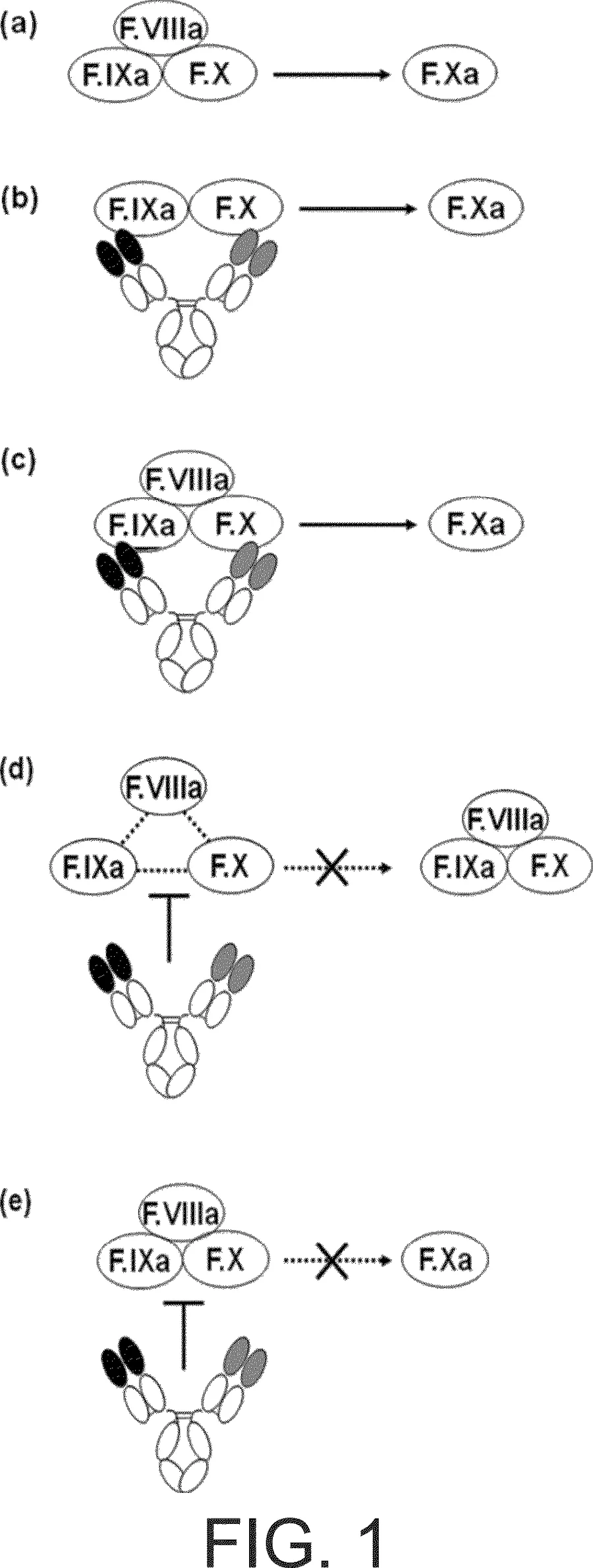
Various bispecific antibodies that specifically bind to both blood coagulation factor IX/activated blood coagulation factor IX and blood coagulation factor X and functionally substitute for the cofactor function of blood coagulation factor VIII, that is, the function to promote activation of blood coagulation factor X by activated blood coagulation factor IX, were produced. From these antibodies, multispecific antigen-binding molecules having a high activity of functionally substituting for blood coagulation factor VIII were successfully discovered.
DNA Twopointo Inc2021
12citations
67 % du 1er (18)De quoi s’agit-il · original en anglais
The present invention provides methods and compositions for stable genetic modification of cultured mammalian cells. The genetic modifications can be used to produce cultured mammalian cells for therapeutic or diagnostic purposes.
Zoetis Services LLC2019
11citations
61 % du 1er (18)De quoi s’agit-il · original en anglais
A cell-based assay for assessing the functional activity of a canine or feline IL-31 inhibitor candidate is provided. Such a canine or feline IL-31 inhibitor candidate can be an isolated antibody that specifically binds to at least one of canine Interleukin-31 (IL-31) or feline IL-31. Such antibodies can be in the form of diagnostic and/or veterinary compositions useful for treating a pruritic and/or allergic condition in dogs or cats.
LEAF Holdings Group LLC2022
5citations
28 % du 1er (18)De quoi s’agit-il · original en anglais
The disclosure relates generally to polyglutamated antifolates, formulations containing liposomes filled with alpha or D-gamma polyglutamated antifolates, methods of making the polyglutamated antifolates and liposome containing formulations, and methods of using polyglutamated antifolates and liposome containing formulations to treat hyerproliferative disorders (e.g., cancer) and disorders of the immune system (e.g., an autoimmune disease such as rheumatoid arthritis).
H Lundbeck AS2023
5citations
28 % du 1er (18)De quoi s’agit-il · original en anglais
Methods for rapid treatment of chronic migraine are provided. Exemplary methods provide relief from migraine within 24 hours of administration. Also provided are methods for acute treatment of migraine. Exemplary methods comprise administration of an anti-CGRP antagonist antibody to a patient in need thereof.
H Lundbeck AS2023
5citations
28 % du 1er (18)De quoi s’agit-il · original en anglais
Methods for immediate relief of migraine or headache are provided comprising the administration of an anti-CGRP antagonist antibody to a patient in need thereof.
Massachusetts Institute of Technology2017
5citations
28 % du 1er (18)De quoi s’agit-il · original en anglais
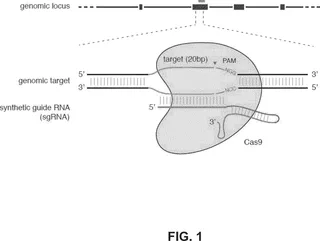
The invention provides for systems, methods, and compositions for targeting nucleic acids. In particular, the invention provides non-naturally occurring or engineered DNA or RNA-targeting systems comprising a novel DNA or RNA-targeting CRISPR effector protein and at least one targeting nucleic acid component like a guide RNA.
Pneumatic Scale Corp2018
4citations
22 % du 1er (18)De quoi s’agit-il · original en anglais
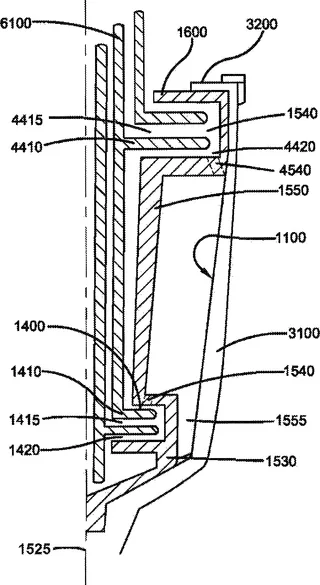
A method and apparatus for separating cell suspension into centrate and concentrate includes a solid wall rotatable centrifuge bowl (82). A single use rotatable core (88) is positioned in the bowl and bounds a cavity (90) which serves as a separation chamber. The bowl rotates about an axis (84). An inlet tube (92) and an outlet tube (102) extend along the axis in the bowl cavity. The centripetal pump (98) in the cavity is in connection with the outlet tube. The centrate discharge pump (120) is in connection with the outlet tube. A pressure damping reservoir (122) is fluidly connected between the outlet tube and the discharge pump. At least one control circuit (142) is operative to control the apparatus to maintain a positive pressure above atmospheric pressure within the cavity, so as to maintain the cell suspension away from at least one seal (106) that bounds the interior of the cavity.
University of Missouri–St. Louis2018
4citations
22 % du 1er (18)De quoi s’agit-il · original en anglais
Non-human animals and offspring thereof comprising at least one modified chromosomal sequence in a gene encoding a CD163 protein are provided. Animal cells that contain such modified chromosomal sequences are also provided. The animals and cells have increased resistance to pathogens, including porcine reproductive and respiratory syndrome virus (PRRSV). The animals and offspring have chromosomal modifications of a CD163 gene. The invention further relates to methods of breeding to create pathogen-resistant animals and populations of animals made using such methods.
Pneumatic Scale Corp2019
4citations
22 % du 1er (18)De quoi s’agit-il · original en anglais
A method and apparatus for separating cell suspension into centrate and concentrate includes a solid wall rotatable centrifuge bowl ( 82 ). A single use rotatable core ( 88 ) is positioned in the bowl and bounds a cavity ( 90 ) which serves as a separation chamber. The bowl rotates about an axis ( 84 ). An inlet tube ( 92 ) and an outlet tube ( 102 ) extend along the axis in the bowl cavity. The centripetal pump ( 98 ) in the cavity is in connection with the outlet tube. The centrate discharge pump ( 120 ) is in connection with the outlet tube. A pressure damping reservoir ( 122 ) is fluidly connected between the outlet tube and the discharge pump. At least one control circuit ( 142 ) is operative to control the apparatus to maintain a positive pressure above atmospheric pressure within the cavity, so as to maintain the cell suspension away from at least one seal ( 106 ) that bounds the interior of the cavity.
Shenzhen Eureka Biotechnology Co Ltd2020
4citations
22 % du 1er (18)De quoi s’agit-il · original en anglais
A device for processing a liquid sample containing cells is provided. The device includes a stationary part and a rotatable part. The stationary part includes a cap, a socket connected to the cap, and a tube located within the cap and the socket. The rotatable part includes a centrifugal processing chamber, and a flow guide located within the centrifugal processing chamber. The stationary part and the rotatable part are connected by a plurality of rotary dynamic seals allowing rotation of the rotatable part relative to the stationary part. The cap includes a first port connected to an inlet, and a second port connected to an outlet. The centrifugal processing chamber includes an upper wall, a neck extending from the upper wall, a sidewall and a bottom wall tilting downwardly.
University of Missouri–St. Louis2020
4citations
22 % du 1er (18)De quoi s’agit-il · original en anglais
Non-human animals and offspring thereof comprising at least one modified chromosomal sequence in a gene encoding a CD163 protein are provided. Animal cells that contain such modified chromosomal sequences are also provided. The animals and cells have increased resistance to pathogens, including porcine reproductive and respiratory syndrome virus (PRRSV). The animals and offspring have chromosomal modifications of a CD163 gene. The invention further relates to methods of breeding to create pathogen-resistant animals and populations of animals made using such methods.
Pneumatic Scale Corp2021
4citations
22 % du 1er (18)De quoi s’agit-il · original en anglais
An apparatus for separating cell suspension material into centrate and concentrate, includes a single use structure ( 178, 240, 250 ) releasably positioned in a cavity in a solid wall rotatable centrifuge bowl ( 172 ). The bowl and portions of single use structure rotate about an axis ( 174 ). A stationary inlet feed tube ( 184 ), a centrate discharge tube ( 212 ) and a concentrate discharge tube ( 230 ) extend along the axis of the rotating single use structure. A centrate centripetal pump ( 208 ) is in fluid connection with the centrate discharge tube. A concentrate centripetal pump ( 216 ) is in fluid connection with the concentrate discharge tube. A controller ( 274 ) operates responsive to sensors ( 264, 270 ) in respective centrate and concentrate discharge lines ( 262, 268 ), to control flow rates of a concentrate pump ( 272 ) and a centrate pump ( 266 ) to produce output flows of cell concentrate and generally cell free centrate.
Inatherys2022
4citations
22 % du 1er (18)De quoi s’agit-il · original en anglais
The present invention relates to humanized antibodies that specifically bind to human transferrin receptor and their use in treating cancer and inflammatory disorders.
InProTher ApS2022
4citations
22 % du 1er (18)De quoi s’agit-il · original en anglais
The present invention relates to an adenoviral vector capable of encoding a virus-like particle (VLP), said VLP displaying an inactive immune-suppressive domain (ISD). The vaccine of the invention shows an improved immune response from either of both of the response pathways initiated by CD4 T cells or CD8 T cells.
LEAF Holdings Group LLC2022
4citations
22 % du 1er (18)De quoi s’agit-il · original en anglais
The disclosure relates generally to polyglutamated antifolates, formulations containing liposomes filled with the polyglutamated antifolates, methods of making the polyglutamated antifolates and liposome containing formulations, and methods of using the polyglutamated antifolates and liposome containing formulations to treat hyperproliferative disorders (e.g., cancer) and disorders of the immune system (e.g., an autoimmune disease such as rheumatoid arthritis).
WASHINGTON, University of2023
4citations
22 % du 1er (18)De quoi s’agit-il · original en anglais
Methods of uniquely labeling or barcoding molecules within a nucleus, a plurality of nuclei, a cell, a plurality of cells, and/or a tissue are provided. Kits for uniquely labeling or barcoding molecules within a nucleus, a plurality of nuclei, a cell, a plurality of cells, and/or a tissue are also provided. The molecules to be labeled may include, but are not limited to, RNAs and/or cDNAs.
Pneumatic Scale Corp2024
4citations
22 % du 1er (18)De quoi s’agit-il · original en anglais
An apparatus for separating cell suspension material into centrate and concentrate, includes a single use structure ( 178, 240, 250 ) releasably positioned in a cavity in a solid wall rotatable centrifuge bowl ( 172 ). The bowl and portions of single use structure rotate about an axis ( 174 ). A stationary inlet feed tube ( 184 ), a centrate discharge tube ( 212 ) and a concentrate discharge tube ( 230 ) extend along the axis of the rotating single use structure. A centrate centripetal pump ( 208 ) is in fluid connection with the centrate discharge tube. A concentrate centripetal pump ( 216 ) is in fluid connection with the concentrate discharge tube. A controller ( 274 ) operates responsive to sensors ( 264, 270 ) in respective centrate and concentrate discharge lines ( 262, 268 ), to control flow rates of a concentrate pump ( 272 ) and a centrate pump ( 266 ) to produce output flows of cell concentrate and generally cell free centrate.
Wyvern Pharmaceuticals Inc2024
4citations
22 % du 1er (18)De quoi s’agit-il · original en anglais
Embodiments of the present disclosure relate to one or more compositions that upregulate the production of one or more sequences of micro-interfering ribonucleic acid (miRNA). The sequences of miRNA may be complimentary to a sequence of target messenger RNA (mRNA) that encodes for a target biomolecule and the miRNA can cause a decrease in bioavailability of the target biomolecule within a subject that is administered the one or more compositions. In some embodiments of the present disclosure, the target biomolecule is a dopamine receptor. In some embodiments of the present disclosure, the target biomolecule is a dopamine receptor such as the D1 dopamine receptor, such as the D2 dopamine receptor, such as the D3 dopamine receptor, or such as the D4 dopamine receptor.
Dideco SpA1989
4citations
22 % du 1er (18)De quoi s’agit-il · original en anglais
A continuous blood centrifugation cell includes a bell shaped outer container rotatable about a central axis, a coaxial inner volume displacement body which has a central longitudinal passage, and a circularly shaped partition which has a central aperture and which is coaxially enclosed between the body and the bottom of the container. A stationary housing is connected to and encloses the upper end of the container and has a coaxial inner conduit, a coaxial intermediate conduit, and a coaxial outer conduit. The housing has a stationary passage near the upper end of the container and is in communication with the lower end of the outer conduit for the removal of the lighter fraction blood components from the container. The intermediate conduit extends downwardly into the central passage of the body and has the lower end thereof closely spaced from the partition for the inlet of blood into the container. The inner conduit extends downwardly through the central passage of the body and through the central aperture of the partition with the lower end thereof closely spaced from the bottom of the container for the removal of the red blood corpuscles from the container. The cell also includes a sealing gasket within the aperture to seal the space between the inner conduit and the aperture to facilitate the removal of the red blood corpuscles through the inner conduit, during centrifugation.
New Brunswick Scientific Co Inc1996
4citations
22 % du 1er (18)De quoi s’agit-il · original en anglais
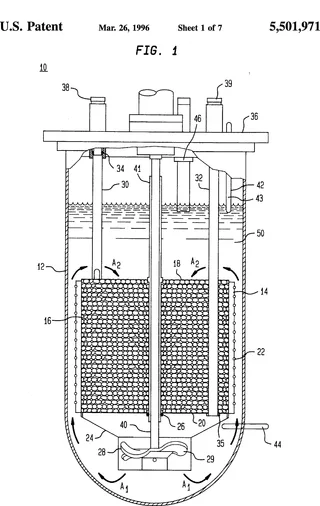
A method and apparatus cultivates anchorage and nonanchorage cell in a reactor. A reactor includes a basket type packed bed and an internal recirculation device. The basket includes a top and bottom portion for allowing medium to flow uniformly through the basket. Medium flows downwardly from the top of the basket through the basket for providing gentle flow and preventing removal of cells from the carrier. Preferably, the carrier is formed of a fiber matrix.
Genentech Inc2004
4citations
22 % du 1er (18)De quoi s’agit-il · original en anglais
The present invention concerns polypeptides comprising a variant Fc region. More particularly, the present invention concerns Fc region-containing polypeptides that have altered effector function as a consequence of one or more amino acid modifications in the Fc region thereof.
Moderna Therapeutics Inc2015
4citations
22 % du 1er (18)De quoi s’agit-il · original en anglais
The invention relates to compositions and methods for the preparation, manufacture and therapeutic use of polynucleotides, primary transcripts and mmRNA molecules.
Terumo Corp2017
4citations
22 % du 1er (18)De quoi s’agit-il · original en anglais
Provided is a blood component separation device that can shorten the overall time to collect high-concentration platelet liquid for blood component donation, thereby reducing time to keep a donor for blood drawing. The blood component separation device includes a temporary storage bag (also used as a buffy coat bag) which is also used as a whole blood bag for storing whole blood drawn from the donor. A control means performs whole blood drawing from the donor in parallel with performing at least either of a circulation flow step and an acceleration step, thereby storing the collected whole blood in the temporary storage bag.
Les inventions que les entreprises elles-mêmes ont citées comme base de leur travail : les références du marché.
À la une
Genentech Inc 1989
5 inventeurs: Shmuel Cabilly, Herbert L. Heyneker et 3 autresAltered and native immunoglobulins, including constant-variable region chimeras, are prepared in recombinant cell culture. The immunoglobulins contain variable regions which are immunologically capable of binding predetermined antigens. Methods are provided for refolding directly expressed immunoglobulins into immunologically active form.
171citations
Cetus Corp 1987
Inventeur: Kary B. Mullis165citations
Cetus Corp 1987
6 inventeurs: Kary B. Mullis et 5 autresClassement complet
Chaque nombre indique combien de fois le brevet a servi de référence à de nouveaux brevets délivrés aux États-Unis en 2025. Touchez-en un pour voir le dessin, ses inventeurs et ce qu’il fait.
Genentech Inc1989
253citations
En tête du classementDe quoi s’agit-il · original en anglais
Altered and native immunoglobulins, including constant-variable region chimeras, are prepared in recombinant cell culture. The immunoglobulins contain variable regions which are immunologically capable of binding predetermined antigens. Methods are provided for refolding directly expressed immunoglobulins into immunologically active form.
Cetus Corp1987
171citations
68 % du 1er (253)De quoi s’agit-il · original en anglais
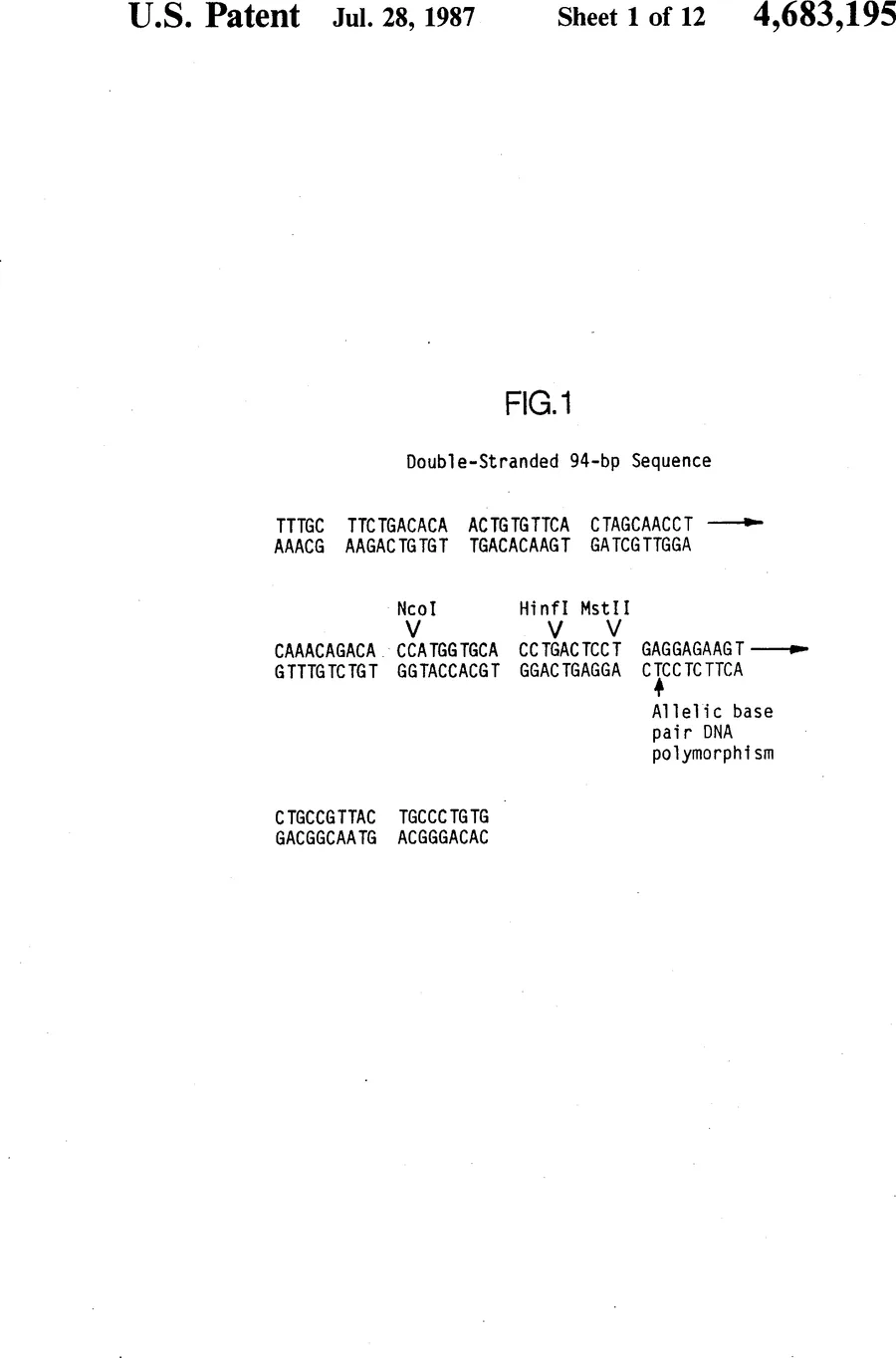
The present invention provides a process for detecting the presence or absence of at least one specific nucleic acid sequence in a sample or distinguishing between two different nucleic acid sequences in said sample, wherein each nucleic acid sequence to be detected consists of two separate strands, which process comprises amplifying the specific sequence or sequences (if present) by (a) treating the sample with one oligonucleotide primer for each of the two strands of each different specific nucleic acid sequence being detected under hybridizing conditions such that for each strand of each different sequence being detected an extension product of each primer is synthesized which is complementary to each nucleic acid strand, wherein said primers are selected so as to be substantially complementary to each strand of each specific sequence such that the extension product synthesized from one primer, when it is separated from its complement, serves as a template for synthesis of an extension product of the other primer; (b) treating the product of step (a) under denaturing conditions to separate the primer extension products from their templates; (c) treating the product of step (b) with oligonucleotide primers such that a primer extension product is synthesized using each of the single strands produced in step (b) as a template; and detecting the thus amplified sequence or sequences (if present).
Cetus Corp1987
165citations
65 % du 1er (253)De quoi s’agit-il · original en anglais
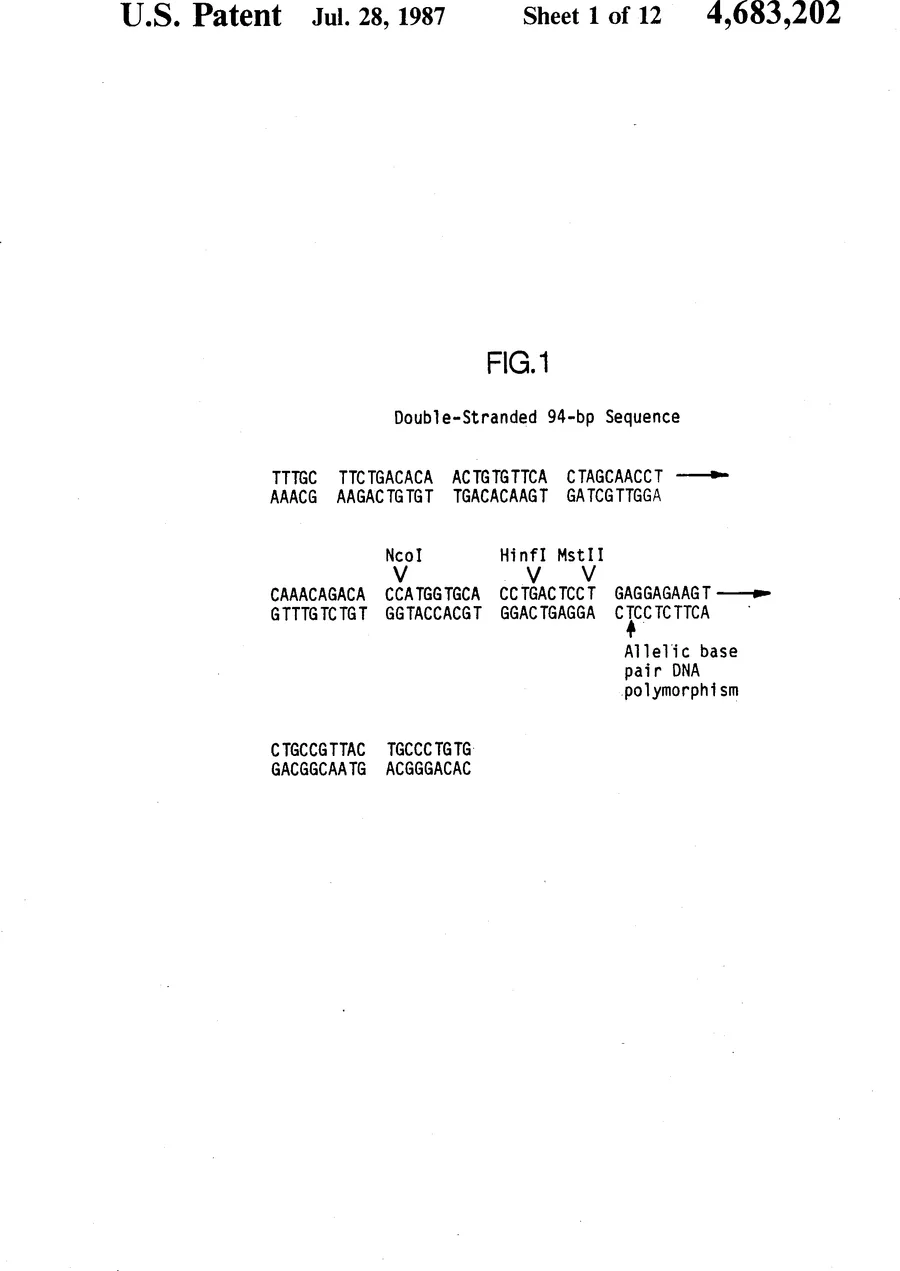
The present invention is directed to a process for amplifying and detecting any target nucleic acid sequence contained in a nucleic acid or mixture thereof. The process comprises treating separate complementary strands of the nucleic acid with a molar excess of two oligonucleotide primers, extending the primers to form complementary primer extension products which act as templates for synthesizing the desired nucleic acid sequence, and detecting the sequence so amplified. The steps of the reaction may be carried out stepwise or simultaneously and can be repeated as often as desired. In addition, a specific nucleic acid sequence may be cloned into a vector by using primers to amplify the sequence, which contain restriction sites on their non-complementary ends, and a nucleic acid fragment may be prepared from an existing shorter fragment using the amplification process.
Genentech Inc2004
152citations
60 % du 1er (253)De quoi s’agit-il · original en anglais
The present invention concerns polypeptides comprising a variant Fc region. More particularly, the present invention concerns Fc region-containing polypeptides that have altered effector function as a consequence of one or more amino acid modifications in the Fc region thereof.
Protein Design Labs Inc1996
151citations
60 % du 1er (253)De quoi s’agit-il · original en anglais
Novel methods for producing, and compositions of humanized immunoglobulins having one or more complementarity determining regions (CDR's) and possible additional amino acids from a donor immunoglobulin and a framework region from an accepting human immunoglobulin are provided. Each humanized immunoglobulin chain will usually comprise, in addition to the CDR's, amino acids from the donor immunoglobulin framework that are, e.g., capable of interacting with the CDR's to effect binding affinity, such as one or more amino acids which are immediately adjacent to a CDR in the donor immunoglobulin or those within about 3 Å as predicted by molecular modeling. The heavy and light chains may each be designed by using any one or all of various position criteria. When combined into an intact antibody, the humanized immunoglobulins of the present invention will be substantially non-immunogenic in humans and retain substantially the same affinity as the donor immunoglobulin to the antigen, such as a protein or other compound containing an epitope.
Genentech Inc1998
127citations
50 % du 1er (253)De quoi s’agit-il · original en anglais
Variant immunoglobulins, particularly humanized antibody polypeptides are provided, along with methods for their preparation and use. Consensus immunoglobulin sequences and structural models are also provided.
Massachusetts Institute of Technology2014
124citations
49 % du 1er (253)De quoi s’agit-il · original en anglais
The invention provides for systems, methods, and compositions for altering expression of target gene sequences and related gene products. Provided are vectors and vector systems, some of which encode one or more components of a CRISPR complex, as well as methods for the design and use of such vectors. Also provided are methods of directing CRISPR complex formation in eukaryotic cells and methods for utilizing the CRISPR-Cas system.
Medical Research Council1993
117citations
46 % du 1er (253)De quoi s’agit-il · original en anglais
An altered antibody is produced by replacing the complementarity determining regions (CDRs) of a variable region of an immunoglobulin (Ig) with the CDRs from an Ig of different specificity, using recombinant DNA techniques. The gene coding sequences for producing the altered antibody may be produced by site-directed mutagenesis using long oligonucleotides.
Scotgen Biopharmaceuticals Inc1997
116citations
46 % du 1er (253)De quoi s’agit-il · original en anglais
An antibody with an altered function, e.g. altered affinity for an effector ligand such as Fc receptor (FcR) on a cell or the C1 component of complement is produced by replacing at least one amino acid residue in the constant portion of the antibody with a different residue.
Scotgen Biopharmaceuticals Inc1997
113citations
45 % du 1er (253)De quoi s’agit-il · original en anglais
The DNA encoding an antibody with an altered function, e.g. altered affinity for an effector ligand such as Fc receptor (FcR) on a cell or the Cl component of complement is produced by replacing the nucleic acid encoding at least one amino acid residue in the constant portion of the antibody with nucleic acid encoding a different residue.















 Produits pharmaceutiques

 Analyse de matériels biologiques

 Technologie médicale

 Chimie organique fine

 Génie chimique

 Mesure

 Chimie alimentaire