


Citation
Quand un nouveau brevet mentionne un brevet antérieur comme référence. Plus de citations = plus d’influence.
Medical Technology · 2025
Les 20 brevets qui ont le plus servi de référence aux nouvelles inventions du domaine.
Quand un nouveau brevet mentionne un brevet antérieur comme référence. Plus de citations = plus d’influence.
L’expert de l’office américain des brevets. Il cite ce qui est trop proche de la demande.
trop procheL’entreprise ou l’inventeur qui demande le brevet. Il cite ce qui l’a inspiré.
source d’inspirationLes inventions que l’office a le plus utilisées comme comparaison : les plus proches de ce qui est breveté aujourd’hui.
À la une
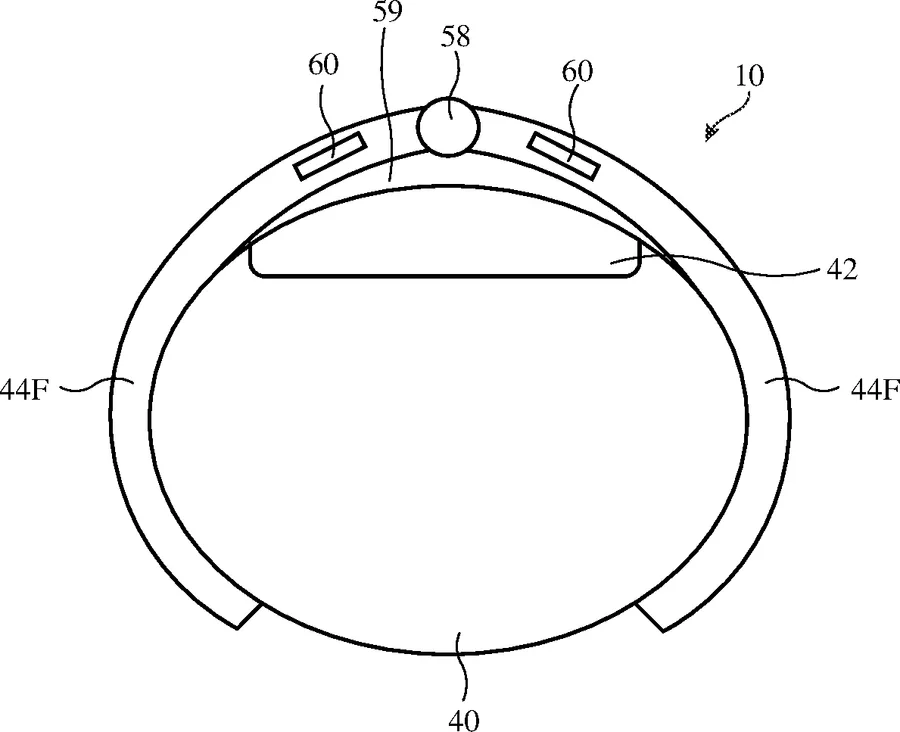
Samsung Electronics Co Ltd 2022
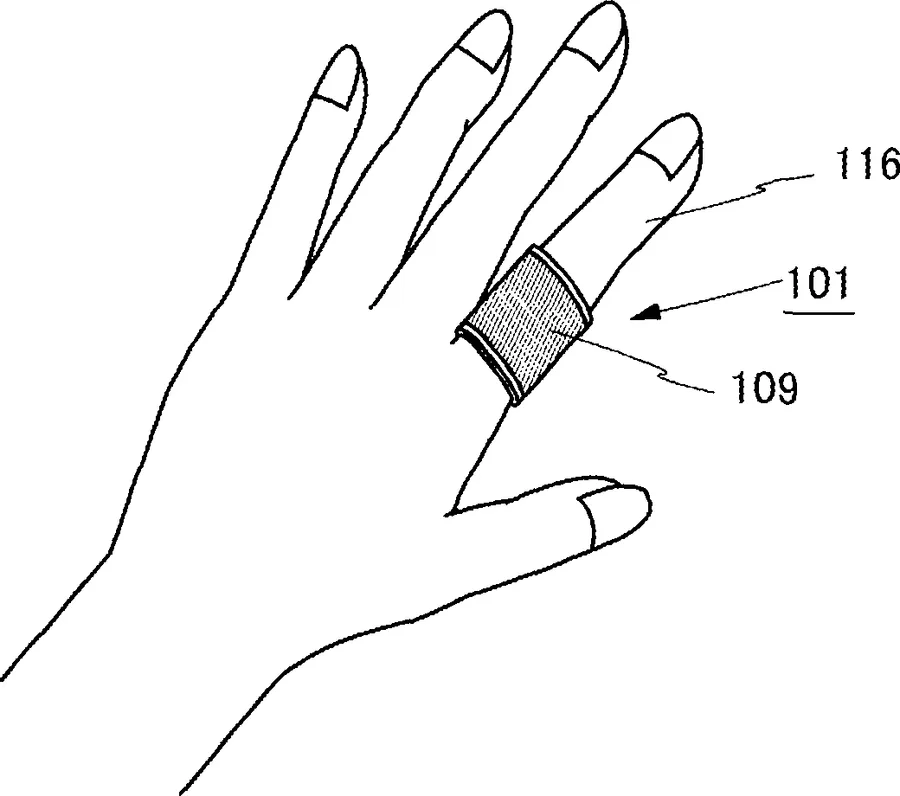
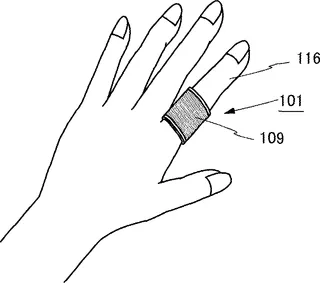
5 inventeurs: Jin-hong Min, Jea-hyuck Lee et 3 autresUn dispositif portable de type bague est divulgué. Ce dispositif portable de type bague comprend : un élément annulaire extérieur ; un élément annulaire intérieur inséré de manière amovible dans l’élément annulaire extérieur ; une unité de capteur disposée dans l’élément annulaire extérieur ; et une unité de commande disposée dans l’élément annulaire extérieur de manière à être électriquement connectée à l’unité de capteur, l’unité de capteur pouvant conserver une sensibilité constante en fonction de l’épaisseur de l’élément annulaire intérieur.
25citations
Apple Inc 2022
11 inventeurs: Paul X. Wang et 10 autres21citations
Semiconductor Energy Laboratory Co Ltd 2018
2 inventeurs: Hideaki Kuwabara et 1 autresClassement complet
Chaque nombre indique combien de fois le brevet a servi de référence à de nouveaux brevets délivrés aux États-Unis en 2025. Touchez-en un pour voir le dessin, ses inventeurs et ce qu’il fait.
Samsung Electronics Co Ltd2022
26citations
En tête du classementRing-type wearable device
De quoi s’agit-il · traduit de l’anglais
Un dispositif portable de type bague est divulgué. Ce dispositif portable de type bague comprend : un élément annulaire extérieur ; un élément annulaire intérieur inséré de manière amovible dans l’élément annulaire extérieur ; une unité de capteur disposée dans l’élément annulaire extérieur ; et une unité de commande disposée dans l’élément annulaire extérieur de manière à être électriquement connectée à l’unité de capteur, l’unité de capteur pouvant conserver une sensibilité constante en fonction de l’épaisseur de l’élément annulaire intérieur.
Apple Inc2022
25citations
96 % du 1er (26)Deployment systems for computer system finger devices
De quoi s’agit-il · traduit de l’anglais
Un système peut comprendre un dispositif de doigt porté sur le doigt d’un utilisateur. Le dispositif de doigt peut servir de manette pour un visiocasque ou d’autres appareils du système. Le dispositif de doigt peut comporter un boîtier pliable doté de structures de charnière qui permettent à des parties du boîtier de se replier les unes par rapport aux autres. Des aimants ou d’autres structures bistables peuvent être utilisés pour conférer au boîtier pliable une bistabilité de pliage. Le boîtier peut ainsi être placé dans un état déplié stable qui libère le doigt, ou dans un état replié stable dans lequel le boîtier s’enclenche autour du doigt et maintient le dispositif en place. Une base peut servir à ranger le dispositif de doigt pour sa recharge. Cette base peut comporter des structures de mise en place qui aident à positionner le dispositif sur le doigt de l’utilisateur en vue de son utilisation.
Semiconductor Energy Laboratory Co Ltd2018
21citations
81 % du 1er (26)Electronic device
De quoi s’agit-il · traduit de l’anglais
L’invention concerne un nouvel appareil électronique. Elle concerne également un appareil électronique selon un nouveau mode de réalisation. L’appareil électronique comprend une partie annulaire et une partie d’affichage. La partie d’affichage est flexible. Elle présente une face supérieure et une première face latérale en contact avec au moins un côté de la face supérieure. La première face latérale présente une surface incurvée. La face supérieure comprend une première zone d’affichage. La première face latérale comprend une seconde zone d’affichage. La première et la seconde zone d’affichage sont disposées de façon continue. L’appareil électronique est porté de manière que la partie annulaire soit en contact avec le doigt de l’utilisateur.
Apple Inc2020
19citations
73 % du 1er (26)Expandable ring device
De quoi s’agit-il · traduit de l’anglais
Un système peut comprendre des dispositifs de bague. Un dispositif de bague peut comporter un boîtier conçu pour être porté au doigt d’un utilisateur. Des capteurs tels que des capteurs de force, des capteurs à ultrasons, des centrales inertielles, des capteurs optiques, des capteurs tactiles et d’autres composants peuvent servir à recueillir les commandes de l’utilisateur. Des circuits de commande peuvent transmettre sans fil les informations recueillies par les capteurs et autres dispositifs d’entrée à un appareil électronique associé. Ces informations peuvent servir à commander le fonctionnement de l’appareil électronique. Le boîtier du dispositif de bague peut présenter un corps principal annulaire et une partie extensible reliée au corps principal. La partie extensible peut comprendre un volet à charnière, un élément de boîtier rotatif, un boîtier doté d’un cadre interne réglable et d’un couvercle, un boîtier extensible formé d’un tube extensible relié entre un premier et un second dispositif annulaire, ainsi que d’autres structures extensibles.
Apple Inc2022
19citations
73 % du 1er (26)Computer systems with finger devices
De quoi s’agit-il · traduit de l’anglais
Un système peut comprendre des dispositifs de doigt. Un capteur tactile peut être monté dans le boîtier d’un dispositif de doigt afin de recueillir les commandes d’un objet externe lorsque celui-ci se déplace le long de la surface extérieure du boîtier. Le capteur tactile peut comprendre des électrodes de détection capacitive. Des capteurs tels que des capteurs de force, des capteurs à ultrasons, des centrales inertielles, des capteurs optiques et d’autres composants peuvent servir à recueillir les commandes effectuées avec le doigt de l’utilisateur. Ces commandes peuvent servir à manipuler des objets virtuels dans un environnement de réalité mixte ou de réalité virtuelle, tandis qu’un dispositif de retour haptique intégré au dispositif de doigt fournit une sensation haptique associée. L’utilisateur peut interagir avec des objets du monde réel pendant que du contenu généré par ordinateur est superposé à tout ou partie de ces objets. Les rotations et autres mouvements d’objets peuvent être convertis en commandes pour un système de réalité mixte ou virtuelle à l’aide de mesures de force ou d’autres mesures effectuées par les capteurs des dispositifs de doigt.
Onpoint Medical Inc2023
17citations
65 % du 1er (26)De quoi s’agit-il · original en anglais
Aspects of the present disclosure relate to systems, devices and methods for performing a surgical step or surgical procedure for example with visual guidance using a head mounted display or with a surgical navigation system or with a surgical robot. A computer processor can be configured to determine the pose of a first vertebra with an attached first marker and a second vertebra with an attached second marker. The computer processor can be configured to determine the pose of at least one vertebra interposed or adjacent to the first and second vertebrae with attached markers, e.g. fiducial markers.
Plasto SA2001
15citations
58 % du 1er (26)De quoi s’agit-il · original en anglais
This disposable device for securing an ostomy bag to a stoma created in a patient, of the type comprising means for joining the ostomy bag to an adhesive seal ( 5 ) which is applied on the patient via a contact face, a through-passage ( 8 ) communicating with the stoma being formed in the adhesive seal ( 5 ), of which the contact face on the patient is at least partially covered by an adhesive composition, is characterized in that the adhesive seal ( 5 ) additionally comprises means ( 15, 16, 17, 18, 19 ) for detecting wetness of the adhesive composition and means for triggering an alarm when a predetermined level of wetness is reached in the adhesive composition.
MTG Co Ltd2020
14citations
54 % du 1er (26)De quoi s’agit-il · original en anglais
A ring type wearable terminal includes: a first ring that has a recessed portion formed on a side surface thereof; a second ring that is bonded to the first ring and that covers the recessed portion; and a communication unit that is housed in the recessed portion. The recessed portion is filled with an adhesive agent. The adhesive agent filling the recessed portion bonds the first ring and the second ring and also fixes the communication unit to the recessed portion so as to protect the communication unit. This allows the strength of the ring type wearable terminal to be improved.
Inventeurs indépendants1988
14citations
54 % du 1er (26)De quoi s’agit-il · original en anglais
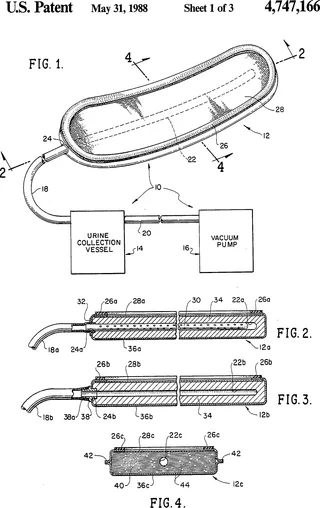
A urine aspiration system for the management of urinary incontinence comprising an absorptive pad adapted to temporarily receive and retain urine until it is drawn from the pad by an associated vacuum source. The pad comprises an absorptive core encased within a covering of hydrophobic material such as polyethylene sheet material. The upper cover sheet of the casing has a myriad of perforations to render it permeable to liquid, while the lower backing cover sheet is impermeable. Tubing from the vacuum source is coupled to a central opening of the pad so that urine may be readily drawn out of the pad when the vacuum source is activated, leaving the outer covering of the pad feeling dry and comfortable to the patient. A collection vessel is mounted between the vacuum source and the pad to collect the urine drawn from the pad.
Biedermann Motech GmbH and Co KG2001
14citations
54 % du 1er (26)De quoi s’agit-il · original en anglais
The invention relates to an intervertebrae implant comprising two side walls ( 1, 2 ) arranged at a distance to each other, a front wall ( 3 ) connecting the same at their one end, a back wall ( 4 ) connecting the same at their opposite other end, and one opening each on the base and cover part extending at right angles to the afore-mentioned walls. The invention also comprises at least one element ( 60, 61 ) provided for in the space ( 5 ) enclosed by the above walls, which element has a surface pointing towards the base or cover part and can be moved back and forth between a first final position in which said surface projects at least partly outwards beyond the base or cover part and a second final position in which the surface does not project beyond the base or cover part.
Les inventions que les entreprises elles-mêmes ont citées comme base de leur travail : les références du marché.
À la une
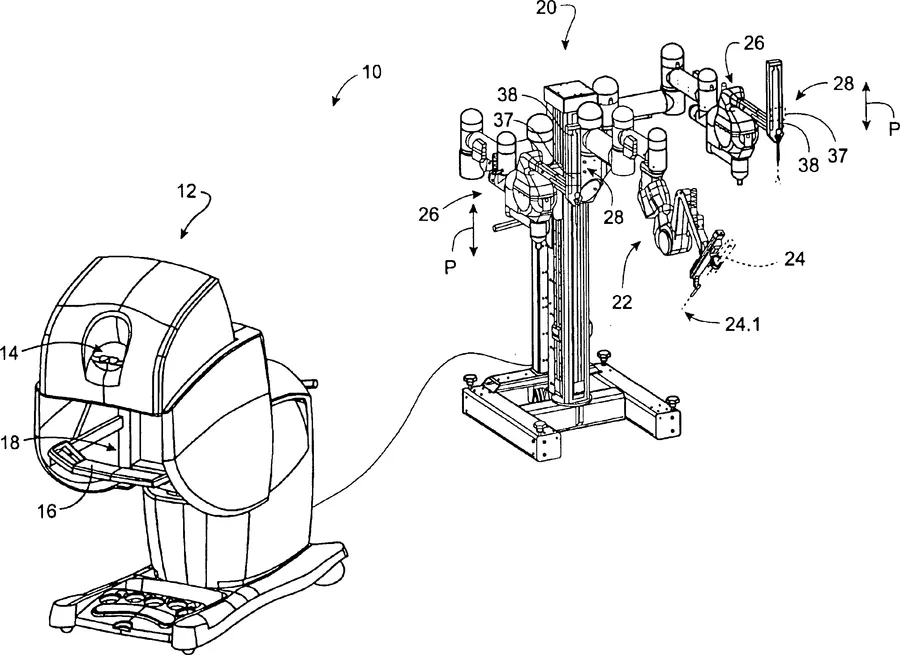
Intuitive Surgical Inc 2004
2 inventeurs: Stephen C. Anderson et Christopher A. JulianA surgical instrument for enhancing robotic surgery generally includes an elongate shaft with an ultrasound probe, an end effector at the distal end of the shaft, and a base at the proximal end of the shaft. The end effector includes an ultrasound probe tip and the surgical instrument is generally configured for convenient positioning of the probe tip within a surgical site by a robotic surgical system. Ultrasound energy delivered by the probe tip may be used to cut, cauterize, or achieve various other desired effects on tissue at a surgical site. In various embodiments, the end effector also includes a gripper, for gripping tissue in cooperation with the ultrasound probe tip. The base is generally configured to removably couple the surgical instrument to a robotic surgical system and to transmit forces from the surgical system to the end effector, through the elongate shaft. A method for enhancing robotic surgery generally includes coupling the surgical instrument to a robotic surgical system, positioning the probe tip in contact with tissue at a surgical site, and delivering ultrasound energy to the tissue.
229citations
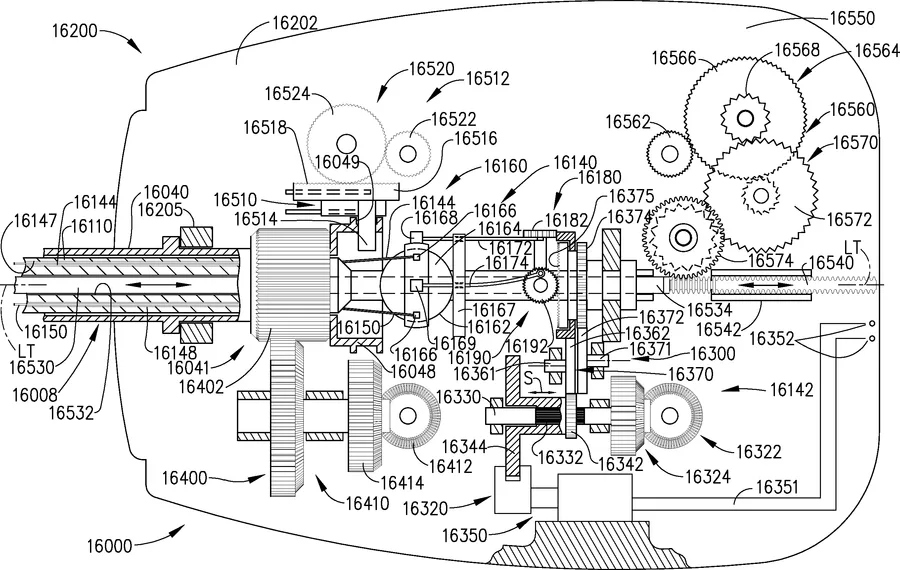
Ethicon Endo Surgery Inc 2014
Inventeur: Frederick E. Shelton, IV204citations
Ethicon Endo Surgery Inc 2013
Inventeur: Frederick E. Shelton, IVClassement complet
Chaque nombre indique combien de fois le brevet a servi de référence à de nouveaux brevets délivrés aux États-Unis en 2025. Touchez-en un pour voir le dessin, ses inventeurs et ce qu’il fait.
Intuitive Surgical Inc2004
255citations
En tête du classementDe quoi s’agit-il · original en anglais
A surgical instrument for enhancing robotic surgery generally includes an elongate shaft with an ultrasound probe, an end effector at the distal end of the shaft, and a base at the proximal end of the shaft. The end effector includes an ultrasound probe tip and the surgical instrument is generally configured for convenient positioning of the probe tip within a surgical site by a robotic surgical system. Ultrasound energy delivered by the probe tip may be used to cut, cauterize, or achieve various other desired effects on tissue at a surgical site. In various embodiments, the end effector also includes a gripper, for gripping tissue in cooperation with the ultrasound probe tip. The base is generally configured to removably couple the surgical instrument to a robotic surgical system and to transmit forces from the surgical system to the end effector, through the elongate shaft. A method for enhancing robotic surgery generally includes coupling the surgical instrument to a robotic surgical system, positioning the probe tip in contact with tissue at a surgical site, and delivering ultrasound energy to the tissue.
Ethicon Endo Surgery Inc2014
229citations
90 % du 1er (255)De quoi s’agit-il · original en anglais
A cable-driven surgical tool configured to receive various control motions from a robotic system.
Ethicon Endo Surgery Inc2013
204citations
80 % du 1er (255)De quoi s’agit-il · original en anglais
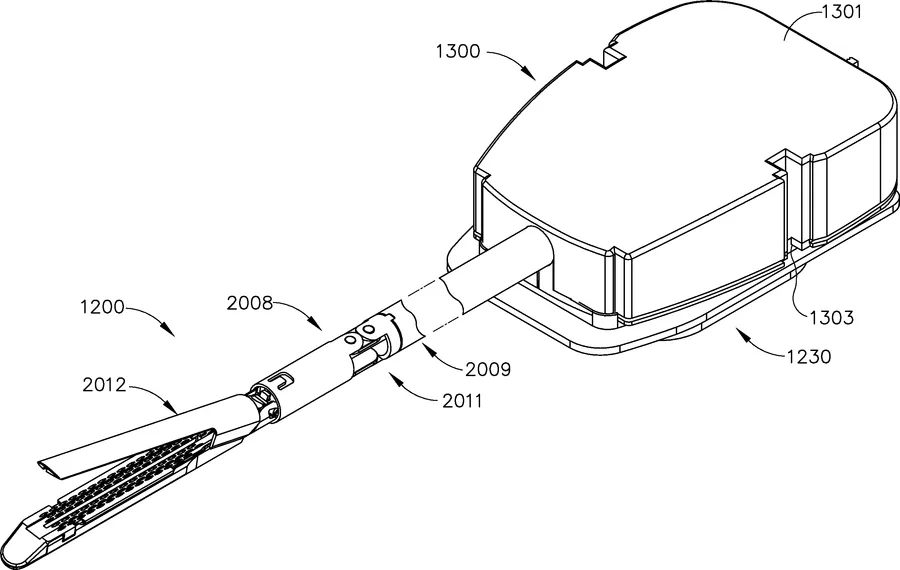
A self contained motor-powered disposable loading unit for use with a robotic system configured to generate control systems therefor. The disposable loading unit may contain a battery that is retained in a disconnected position when the disposable loading unit is not in use and is moved to a connected position when the disposable loading unit is coupled to the robotic system to permit the motor to be selectively powered thereby. Indicators may be supported on the disposable loading unit to indicate when the axial drive assembly thereof is in a starting position and an ending position. Another indicator may be provided to indicate when the anvil assembly is in a closed position.
Intuitive Surgical Inc2001
197citations
77 % du 1er (255)De quoi s’agit-il · original en anglais
Robotic surgical tools, systems, and methods for preparing for and performing robotic surgery include a memory mounted on the tool. The memory can perform a number of functions when the tool is loaded on the tool manipulator: first, the memory can provide a signal verifying that the tool is compatible with that particular robotic system. Secondly, the tool memory may identify the tool-type to the robotic system so that the robotic system can reconfigure its programming. Thirdly, the memory of the tool may indicate tool-specific information, including measured calibration offsets indicating misalignment of the tool drive system, tool life data, or the like. This information may be stored in a read only memory (ROM), or in a nonvolatile memory which can be written to only a single time. The invention further provides improved engagement structures for coupling robotic surgical tools with manipulator structures.
Ethicon Endo Surgery Inc2008
190citations
75 % du 1er (255)De quoi s’agit-il · original en anglais
A surgical cutting and fastening instrument is disclosed. According to various embodiments, the instrument includes an end effector, a main drive shaft assembly connected to the end effector, and a gear drive train connected to the main drive shaft assembly. The end effector comprises a movable cutting instrument for cutting an object positioned in the end effector. The instrument also includes a main motor for actuating the gear drive train and a firing trigger for actuating the main motor. The instrument also includes a tactile position feedback system for applying force to the firing trigger such that the position of the firing trigger is related to the position of the cutting instrument in the end effector.
Intuitive Surgical Inc2002
188citations
74 % du 1er (255)De quoi s’agit-il · original en anglais
Enhanced telepresence and telesurgery systems automatically update coordinate transformations so as to retain alignment between movement of an input device and movement of an end effector as displayed adjacent the input device. A processor maps a controller workspace with an end effector workspace, and effects movement of the end effector in response to the movement of the input device. This allows the use of kinematically dissimilar master and slave linkages. Gripping an input member near a gimbal point and appropriate input member to end effector mapping points enhance the operator's control. Dexterity is enhanced by accurately tracking orientational and/or angles of movement, even if linear movement distances of the end effector do not correspond to those of the input device.
Ethicon Endo Surgery Inc2006
187citations
73 % du 1er (255)De quoi s’agit-il · original en anglais
A surgical severing and stapling instrument clamps tissue within an end effector of an elongate channel pivotally opposed by an anvil. An E-beam firing bar affirmatively maintains a desired spacing while severing and stapling tissue by longitudinally engaging the anvil and elongate channel. Separate closing action and firing (i.e., severing and stapling) action of the end effector allows a clinician to selectively position and clamp tissue. The end effector enables this advantageous separate firing while affirmatively spacing the end effector by having an upper pin of the firing bar reside within an anvil pocket before firing. When the anvil is closed and clamped, the upper pin of the E-beam firing bar may move longitudinally and distally from the anvil pocket to an anvil slot thereby engaging the anvil.
European Atomic Energy Community Euratom2013
184citations
72 % du 1er (255)De quoi s’agit-il · original en anglais
A robotic surgical system for performing minimally invasive medical procedures includes a robot manipulator for robotically assisted handling of a laparoscopic instrument having a manipulator arm, a manipulator wrist supported by the arm and an effector unit supported by the wrist, wherein the manipulator arm provides three degrees-of-freedom by means of a first joint, a second joint and a third joint, each having an associated actuator, for robotically positioning the wrist, the wrist providing two degrees-of-freedom by means of a fourth joint and a fifth revolute joint having an associated actuator, for robotically setting the yaw angle and the pitch angle of the effector unit respectively; the effector unit includes a laparoscopic instrument actuator and provides one degree-of-freedom by means of a revolute sixth joint having an associated actuator for robotically setting the roll angle of the LIA which includes a seat, with an associated coupling mechanism for mounting an instrument stem adaptor to the effector unit, and an actuation mechanism cooperating with the instrument stem adaptor for actuating a laparoscopic instrument connected to the adaptor. The effector unit is configured such that the rotation axis of the revolute sixth joint coincides with the longitudinal axis of a laparoscopic instrument mounted to the effector unit and the effector unit includes a sensor assembly having a 6 degree-of-freedom (DOF) force/torque sensor and a 6 DOF accelerometer. The sensor assembly connects the LIA to the sixth revolute joint.
Ethicon Endo Surgery Inc2012
181citations
71 % du 1er (255)De quoi s’agit-il · original en anglais
A motor-driven surgical cutting and fastening instrument that comprises an end effector, a shaft connected to the end effector, and handle connected to the shaft. The end effector may comprise a cutting instrument that, when actuated, longitudinally traverses the end effector to cut tissue clamped in the end effector. The handle may comprise an electric motor for actuating the cutting instrument and a motor control circuit for controlling the motor. The motor control circuit may comprise a power source connected to the motor for electrically powering the motor and a current control circuit, connected to the power source, for varying the current supplied to the motor from the power source. The current control circuit may vary the current supplied to the motor, and consequently, the output torque supplied by the motor, such that the motor has at least (i) a first, low power operational mode for a first portion of a cutting stroke cycle of the cutting instrument, and (ii) a second, high power operational mode for a second portion the cutting stroke cycle of the cutting instrument.
Ethicon Endo Surgery Inc2015
181citations
71 % du 1er (255)De quoi s’agit-il · original en anglais
A surgical stapling instrument. Various embodiments include an actuation system for selectively generating a plurality of control motions. A surgical end effector is operably coupled to the actuation system. The actuation system interfaces with an actuation member configured to operably engage rotatable camming members to fire staples within the end effector into forming contact with an anvil portion of the end effector.









 Informatique
 Mesure

 Produits pharmaceutiques

 Biotechnologie

 Autres biens de consommation

 Génie chimique

 Autres machines spéciales